


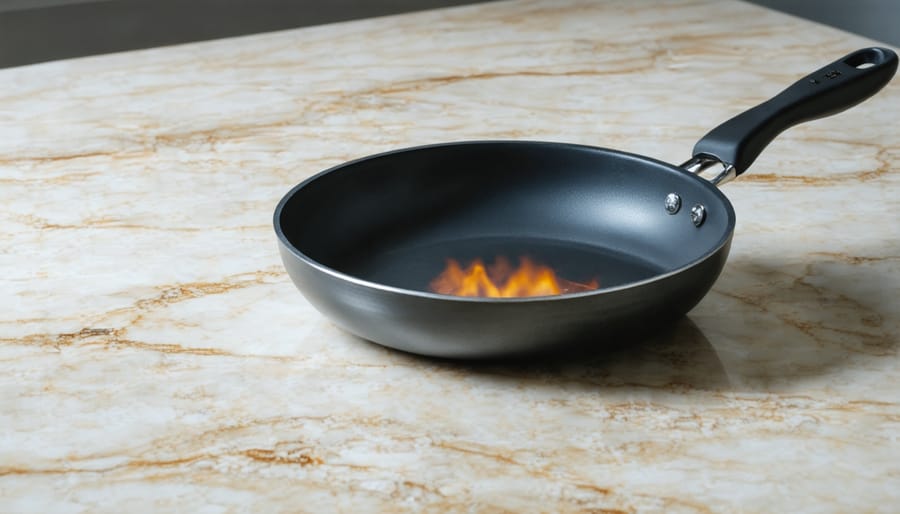
Can You Put Hot Pots on Quartz or Granite?
Can You Put Hot Pots on Quartz or Granite? A Complete Guide for Homeowners
When it comes to choosing the right countertop, heat resistance is one of the biggest concerns for homeowners. Whether you’re a frequent cook or simply want to protect your investment, understanding how quartz and granite respond to hot pots and pans is essential. Below is a clear, fact‑based breakdown of what you can and cannot do with each surface.
Can You Put Hot Pots on Quartz?
Quartz countertops are beautiful, durable, and low‑maintenance—but they are not heat‑proof.
Quartz is made of roughly 90–94% crushed quartz combined with 6–10% polymer resin. That resin is the problem: it begins to scorch, discolor, or crack at around 300–400°F. Meanwhile, a pot straight off the stove can reach 400–500°F, well above quartz’s safe limit.
What Can Happen If You Put a Hot Pot on Quartz?
- Permanent white or yellow scorch marks
- Resin burn that cannot be repaired
- Thermal shock, which may cause cracking
- Damage not covered by most warranties
Even brief contact can cause damage, and repeated exposure weakens the resin over time. Quartz can handle mild heat—like a warm coffee mug—but never place hot cookware directly on it.
Safe Practice for Quartz
Always use:
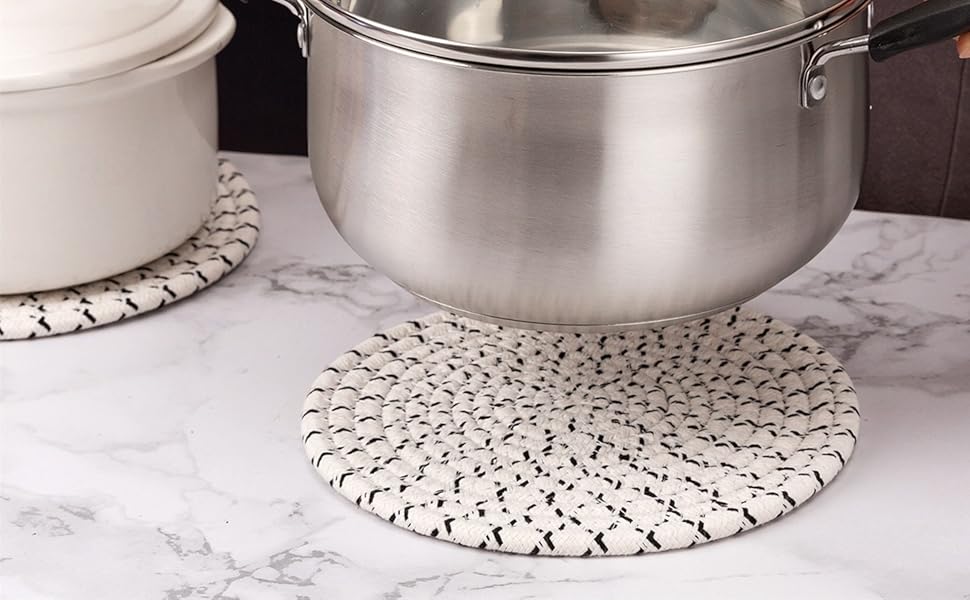
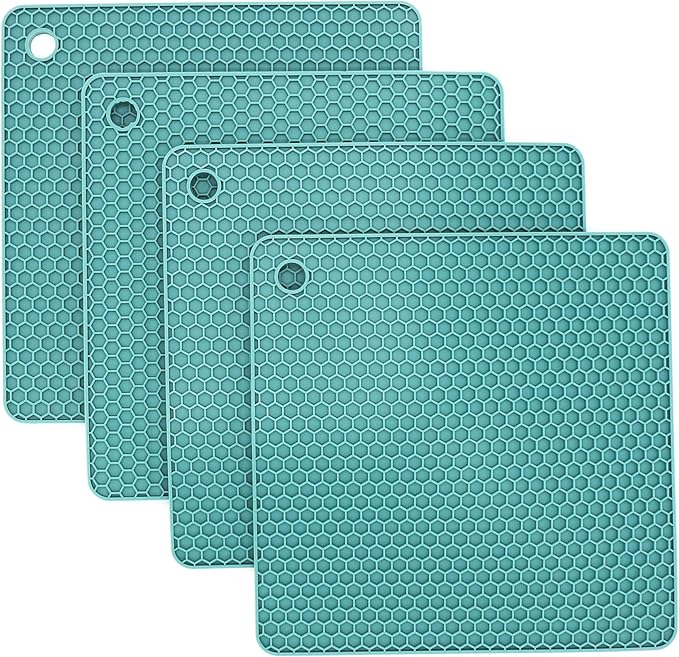
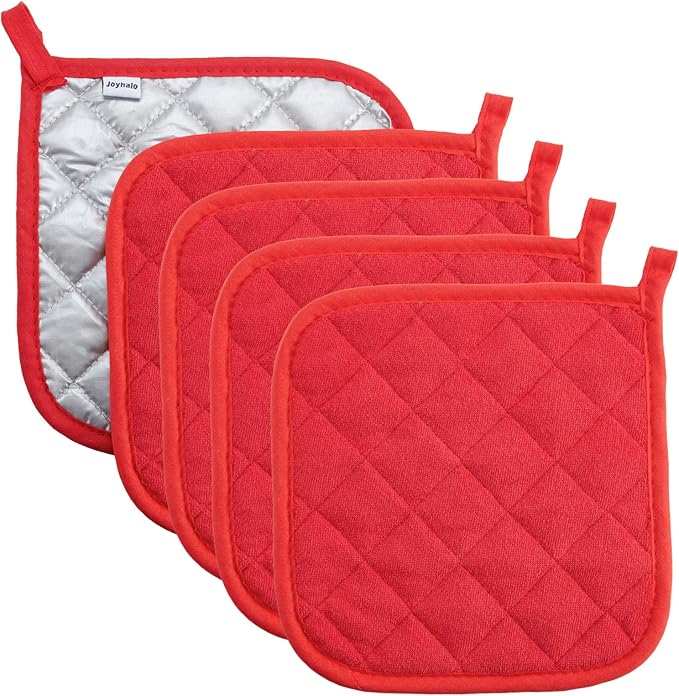
–Trivets
-Silicone mats
–Hot pads
Can You Put Hot Pots on Granite?
Granite is a natural stone formed under extreme heat and pressure, making it significantly more heat‑resistant than quartz. While our search results focused heavily on quartz, granite is widely known in the industry to tolerate hot pots better because it contains no resin binders.
However, even though granite can handle high temperatures, thermal shock is still possible, especially if the stone has been weakened by fissures or if the pot is extremely hot.
Best Practice for Granite
- You can place a hot pot briefly in most cases
- But using a trivet is still recommended to avoid long‑term stress on the stone
Heat Resistance Comparison
| Quartz | ~300°F | Resin burns, discoloration, cracking |
|---|---|---|
| Granite | High | Generally safe for brief contact |
Conclusion
If heat resistance is a top priority in your kitchen, granite or quartzite are the better choices. Quartz offers many benefits—beauty, consistency, low maintenance—but heat is its Achilles’ heel.
For everyday cooking, protect your countertops with trivets and hot pads, no matter the material. It’s a small habit that preserves a big investment.



Leave a Reply
Want to join the discussion?Feel free to contribute!